Questions To Ask The Home Inspector: Before and After The Inspection
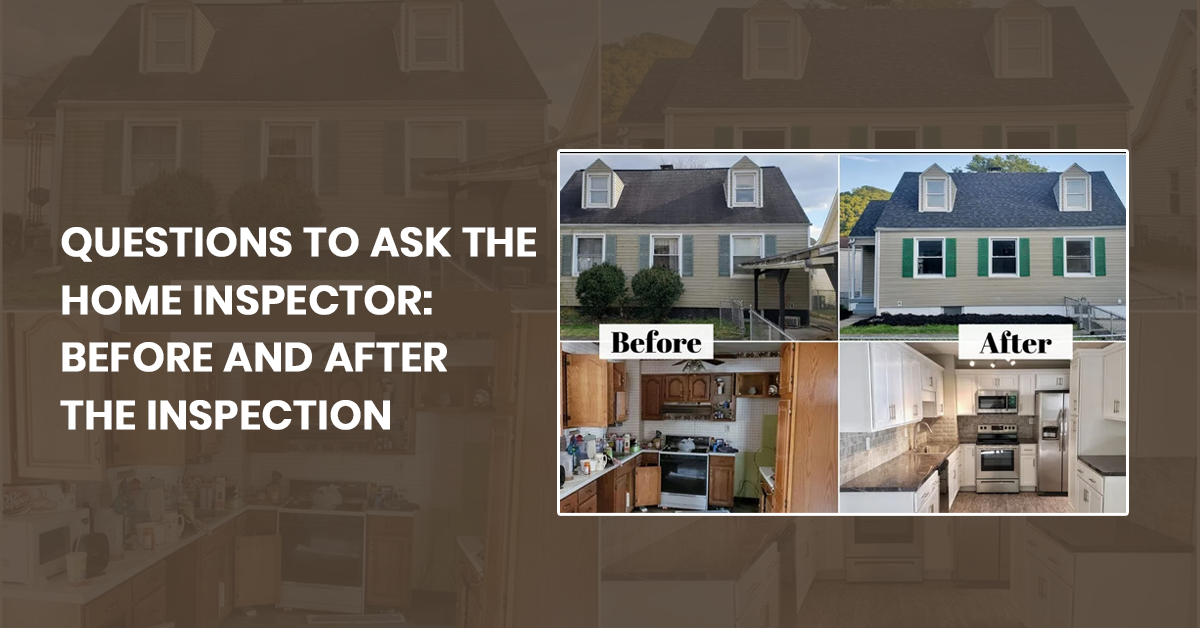
Purchasing and selling a home is a milestone that is not only an emotional issue but a financial one as well. A house might seem perfect to the naked eye, but it is what’s beneath its surface that truly matters.
However, there is a common error committed by homeowners and buyers. They usually depend solely on the report and do not pose enough questions. Knowing the questions to ask your home inspector before and after the inspection can mean the difference between confidence and expensive surprises.
This blog will walk you through the key questions to ask, explained in simple terms and in an easy-to-understand way.
The Value of Question Asking in a Home Inspection
A home inspection is more than a checklist—the home inspection is a chance to gain insight into the reality of a property's condition. Home inspectors are professionals, but their reports can contain terminology and details that are hard to understand.
By asking the right questions to ask your home inspector, you are able to:
- Understand the difference between real risks and minor issues
- Learn about potential safety concerns
- Estimate future maintenance expenses
- Make informed purchase or sale decisions
- Feel confident instead of confused
The best inspector is one who invites questions—because an educated client is a protected client.

Things to Ask Your Home Inspector Prior to the Inspection
Preparing the right questions to ask your home inspector before the inspection helps ensure transparency and clear communication.
1. What Does the Home Inspection Cover?
- Roof and attic
- Foundation and structure
- Electrical systems
- Plumbing
- Heating and ventilation
- Interior and exterior components
This helps you understand the inspection scope and what the report will focus on.
2. What Is Not Included in the Inspection?
Every inspection has limitations. Certain items are excluded unless requested separately, such as:
- Termite or pest inspections
- Sewer line inspections
- Mold or radon testing
- Swimming pools or septic systems
Knowing this helps you plan additional inspections if required
3. Are You Licensed, Certified, and Insured?
This is a critical question. A licensed and insured inspector follows professional standards and protects your legal interests, ensuring the inspection is reliable and unbiased.
4. How Long Will the Inspection Take?
Inspection time depends on the size and age of the home. A standard inspection usually takes 2–4 hours. Anything significantly shorter may indicate a rushed job.
5. Can I Attend the Inspection?
Yes—and you should. Being present allows you to:
- See issues in real time
- Ask questions immediately
- Understand your home better
Most professionals encourage client participation.
6. When Will I Receive the Inspection Report?
Ask about the delivery timeline and whether the report includes photos. A detailed digital report is ideal, especially when working within deadlines.
Questions to Ask During the Inspection
Being present during the inspection allows you to ask real-time questions to ask your home inspector and gain clarity immediately.

7. Are These Issues Minor or Major?
Not every issue is a deal-breaker. Ask whether problems are:
- Cosmetic
- Maintenance-related
- Safety concerns
- Structural issues
This helps you focus on what truly matters.
8. Is Anything a Safety Risk?
Some issues require immediate attention, including:
- Faulty electrical wiring
- Gas leaks
- Structural instability
- Water damage
Understanding safety risks allows for quick and informed action.
9. What Regular Maintenance Does This Home Need?
A good inspector educates you beyond the report. Ask about ongoing maintenance to prevent future damage and extend system life.
Questions To Ask Your Home Inspector After The Inspection
Once you receive the report, reviewing it carefully and asking the right questions to ask your home inspector will help you understand it clearly.
10. What Are the Most Important Findings?
Inspection reports can be lengthy. Ask the inspector to summarize the most critical concerns to avoid information overload.
11. Which Repairs Should Be Made Immediately?
Some repairs are urgent; others can wait. Knowing priorities helps you:
- Plan repairs
- Budget wisely
- Negotiate effectively
12. Are These Problems Common for Homes of This Age?
Older homes naturally show wear. Ask whether issues are age-related or signs of neglect—this context is especially important for buyers.
13. Should I Consult a Specialist?
Inspectors may recommend specialists such as:
- Electricians
- Plumbers
- Structural engineers
Knowing when to consult experts can prevent costly mistakes.
14. Are There Any Technical Terms I Should Understand?
Inspection reports may include technical language. Never hesitate to ask for clarification—professionals should explain everything simply.
15. Can You Give a Rough Idea of Repair Costs?
While inspectors don’t provide exact quotes, they can often give cost ranges, which helps with budgeting and negotiations.
How These Questions Help Buyers and Sellers
For both buyers and sellers, understanding the questions to ask your home inspector leads to smoother transactions and fewer surprises.
For Home Buyers:
- Make confident decisions
- Avoid unexpected expenses
- Plan long-term maintenance
For Home Sellers:
- Identify issues before listing
- Fix problems proactively
- Build buyer trust
- Reduce deal delays
Final Thoughts
A home inspection is not just a formality—it is an education. When you know the questions to ask your home inspector, you gain clarity, confidence, and peace of mind.
.jpg)
Whether you are buying, selling, or maintaining a home, asking the right questions empowers you to protect your investment and avoid costly surprises. A well-informed homeowner is always a step ahead.